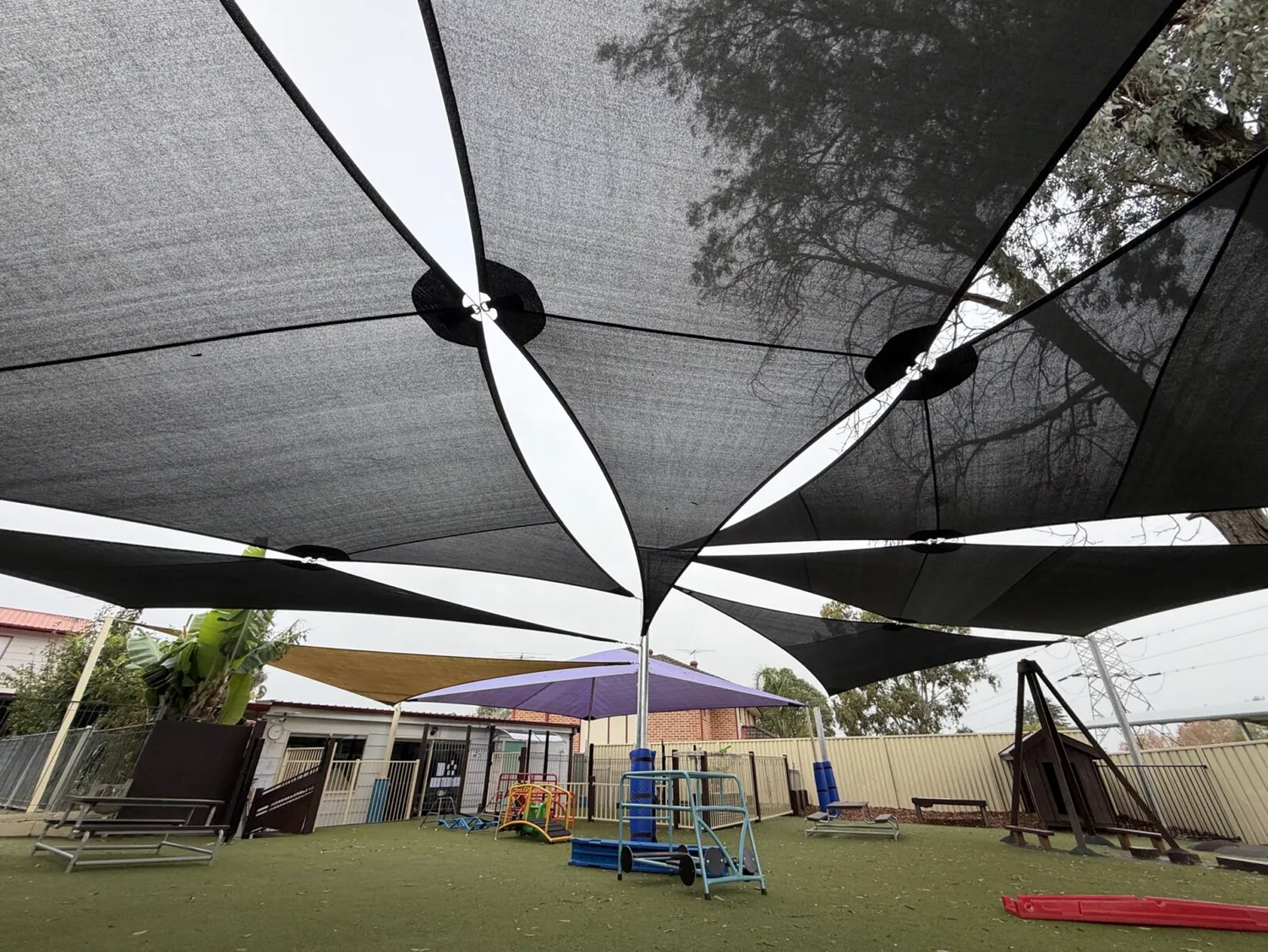
School shade structuresPut a name beside each decision.
The drawing, the permissions, the funding and the access all need an owner before installation dates mean anything.

Start with the date the school needs the area back, then work backwards through installation, fabrication, permissions and funding. A holiday window is the obvious target, but it only becomes real once the people who can approve the job and open the site are in the conversation.
The three roles to settle first
Who defines the need?
One project contact gathers the staff input, confirms the activity area and keeps the brief from drifting between meetings.
Who can approve the works?
Identify the landowner and the asset-management route early. Backing from a committee is one thing; approval to build comes from whoever owns the land.
Who can commit the funds?
Confirm the contracting party, the authorised signatory and any grant conditions before the quote is accepted.
Use a programme with room for decisions

A straight replacement and a new roofed COLA run to different programmes. Grant decisions, approvals and what turns up in the ground can all move the sequence along.
- Before the design is settledResolve the activity, the weather cover and the proposed post positions.
Late changes here send drawings and permissions back around the loop, and that loop is the slow part of the year.
- Before fabrication is authorisedConfirm design approval, the contracting party and the money.
Check any restriction on ordering or starting grant-funded works before the round closes.
- Before installation is booked as finalConfirm access, who is on site and the construction programme.
Allow for excavation, concrete curing where it is required, inspections and handover.
Walk the yard when it is being used
Go at recess. Ask the supervising staff to stand with the designer at each proposed post position, then watch what happens when the bell goes and two hundred children come around the corner at once. A point that clears the playground equipment can still sit in the canteen queue or across a wheelchair route. It shows up what an empty-yard photograph never will.
- Map the activity: where pupils sit, queue, play and move, and at what times of day.
- Bring the site information: plans, known underground services and the history of slabs or other buried work.
- Trace the access route: gates, vehicle movements, deliveries and any ground protection needed.
- Check the edges of the job: nearby classrooms, emergency access, equipment and the areas that have to stay usable.
Public-school approval comes before the order
For NSW public schools, the route is the Department of Education's project-proposal procedure, which sets out how works are requested, considered, approved and managed. Confirm the current process with the school's asset contact, because a principal or a P&C cannot commission every type of work on their own.
Agree which design documents, planning evidence and contractor details are needed for this project. Our council approval guide works through where a shade structure sits in the planning rules. We are licensed and fully insured, licence 294924C, and the sails are made at our own factory in Rydalmere, which covers most of what an asset team asks for up front.
Check the holiday window is actually clear
Vacation care and community users
Vacation care, sport and hall hire all keep using a school over the break. Give the installer their hours and the areas they occupy.
Keys, gates and alarms
Name a contact who is around during the works, and a backup. Test the access before the first delivery, not on the morning of it.
Return to use
Agree who receives the completed work, checks the documents and gives the word to reopen the area.
If the dates no longer fit
Take a later window, or agree a properly separated and managed programme during term. If the funding only covers part of the project, have the staged design assessed before the first section is built. Our funding guide helps line the round dates up with delivery.
Put the paperwork somewhere sensible. Final drawings, certification, material details, care instructions and warranties all belong together in the school's asset file. The next facilities manager should be able to work out what was installed without reconstructing the committee's emails.
Can you install while the school is running?+
Yes, with the zone fenced and the work staged in sections. For a term-time install we want bell times, the classrooms that border the zone and where the students go at recess, so the loud work sits in the gaps. If vacation care or a community group uses the yard, tell us at the measure and we will plan the sections around them.
Who signs the quote, the school or the P&C?+
On a public school those can be two different bodies: the P&C may hold the money while the principal controls the site. The quote is made out to whoever is paying for the work, so tell us which one that is before it gets written. It saves a re-issue later when somebody notices the name on the front page.
If you want a second pair of eyes on the yard
Once you have a price and want to go ahead, the measure, blueprint and quote are free. Seven days a week, Sydney and all of NSW.