
Shade funding · NSW schools & childcareFind the right round.
Which rounds are open, who can apply, and what to sort out before anyone starts writing.
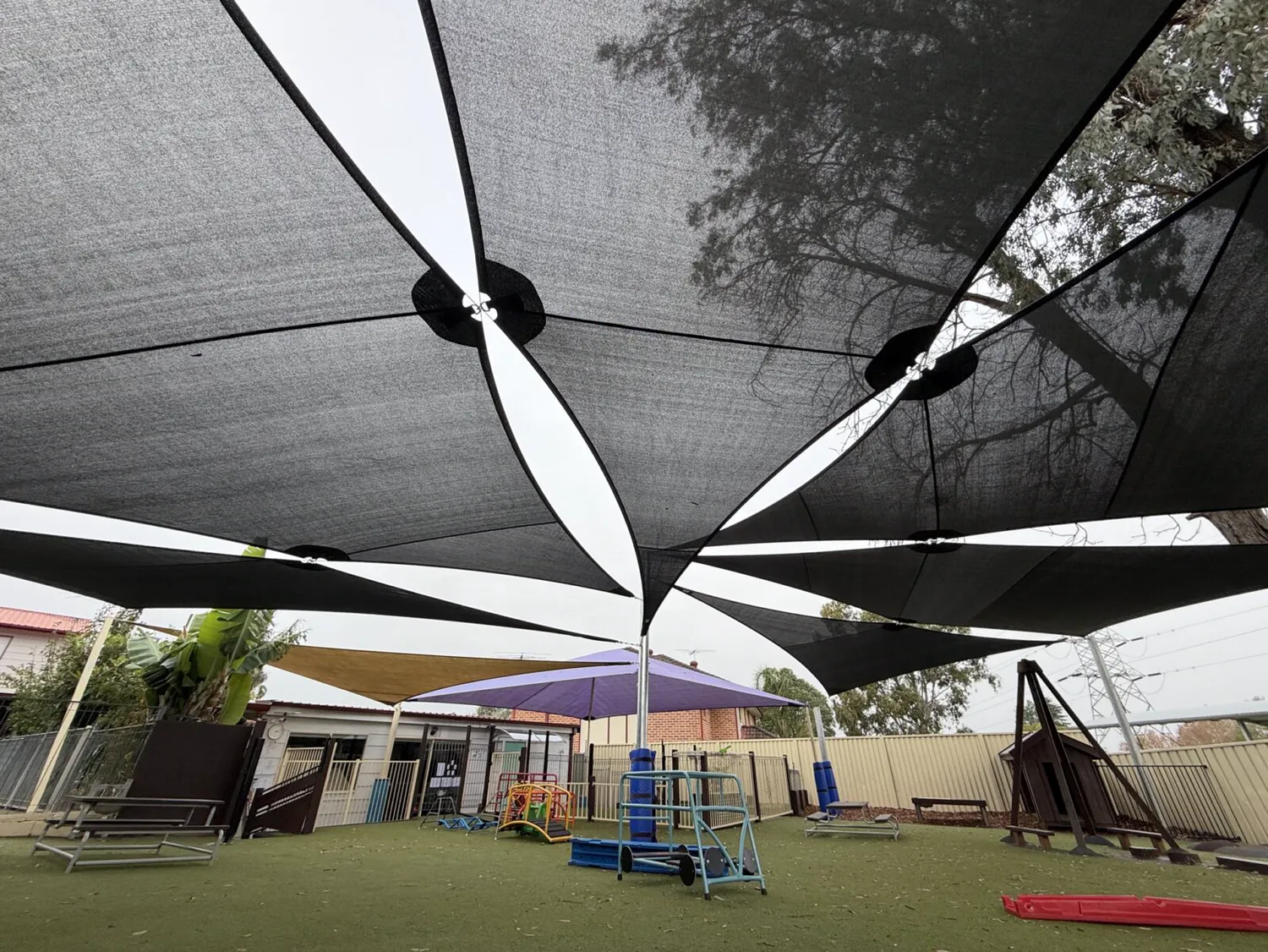
For a NSW school shade project, start with the applicant and the round. Community Building Partnership’s 2026 intake has closed; the listed Clubgrants sport round opens in February 2027. Local club and council opportunities need a location-specific check.
The funding shortlist
Community Building Partnership
A route for eligible local capital projects. Registered P&C associations are among the eligible applicants.
- The 2026 EOI window was 20 April to 8 May.
- Read the 2026 criteria and process. Watch the programme page for a later round.
Clubgrants sport infrastructure
Potentially relevant to a covered sports or recreation space. School applicants must address access outside school hours; infrastructure must be publicly available most of the time.
- An area used only by the school, in school hours, is a hard fit for this round.
- Check the sport and recreation round.
Local ClubGRANTS
Category 1 focuses on welfare and community development; Category 2 supports broader community activities and is available year round.
- Ask your local club whether the project fits its priorities.
- Find your local grant round.
Preschool and childcare funding
Search the Department of Education’s current early-childhood programmes against the purpose of your project. A general shade upgrade can sit outside an inclusion or expansion programme, so read what each one is for.
- Browse current programmes.
- The older 2022-23 Start Strong Capital Works rounds are closed.
Also search your council’s grants page and the NSW Government grants finder. Record the applicant type, closing date and delivery window before writing anything.
Check who can authorise the work
An eligible P&C can apply for CBP funding, but it cannot treat a grant as permission to build. For projects on Department of Education land, the 2026 process calls for evidence of Asset Management Unit approval at detailed-application stage. The CBP FAQs explain the school-site requirement.
Get the school’s project contact, landowner approval route and applicant organisation agreed together. They can be three different responsibilities, even when everyone supports the same sail.
Show the problem the shade will solve
Illustrative application wording
“Our school needs more shade.”
The reader cannot see the place, its users or what changes after installation.
“Shade the infants’ lunch area.”
“Our lunchtime audit shows that the current shaded seats cannot accommodate the group. The attached plan extends usable shade over the seating during the lunch break.” Add your actual observations and numbers.
- A dated shade audit: photos, activity times, existing shade and the people using it.
- A defined design: the location, intended coverage, material and relevant site constraints.
- A complete project scope: quotation, necessary approvals, funding contributions and delivery responsibilities.
- A feasible programme: allow for funding decisions, permissions and the agreed installation window.
Support you can use without a grant round
Cancer Council NSW does not currently offer shade grants. It does provide shade guidance and can supply a support letter for an application. Its audit and advocacy resources help turn “this yard gets hot” into a documented need.
Before you order or start work
Check the chosen programme’s rules about when expenditure and works may start. Clubgrants sport excludes work begun before funding decisions. Do not assume a later grant can reimburse a project already underway. Match the funding decision and delivery window to a realistic school installation programme.
Does a grant-funded shade structure need council approval?+
In our experience of ordinary home enquiries, almost never. What decides it is the size, the height, where the structure sits and the land underneath it, which is exactly why a school or another public site is where that answer tends to change. Read the rules for the pathway that applies to your site. The council approval guide has the detail.
Will the application need engineering certification?+
Read the programme guidelines, because they differ. Some want a certificate with the application, some only before delivery, and some never raise it. Our structures are engineered to NSW wind codes and certification is available on request, so when a round asks for it, it goes in with the quotation.
What if we only get part of the funding?+
Then stage it. Posts, footings and the first span go in now, the rest when the next round lands. Footings and steel are the heavy part of the job, so getting them in once makes the later extension a much smaller piece of work. Say so early, because a layout meant to grow gets drawn differently from a one-off.
If you want a second pair of eyes on the yard
Free measure, blueprint and quote, seven days a week, Sydney and all of NSW.


